OEM vs Aftermarket Displays: The Unfiltered Breakdown
The replacement parts market is notoriously deceptive. "Premium Grade A" often translates to low-yield LCDs structurally forced into OLED chassis, resulting in battery drain and poor color gamut. Here is our unfiltered breakdown of exactly what you are paying for when you choose between genuine Original Equipment Manufacturer (OEM) pulls and verified third-party hardware.
| Metric | Genuine OEM OLED | Fixly Premium Aftermarket | Standard Market Tier |
|---|---|---|---|
| Color Gamut (DCI-P3) | 100% Match | 92-95% Match | 70-80% (Washed out) |
| Refresh Rate | Variable 1Hz-120Hz | Fixed 60Hz or 120Hz | Fixed 60Hz |
| Touch Digitizer | Flawless Edge-to-Edge | Sub 1ms latency edge | Ghost touches common |
| Display Technology | Active Matrix OLED | Rigid OLED / Soft OLED | Traditional LCD |
The Pixel Discrepancy
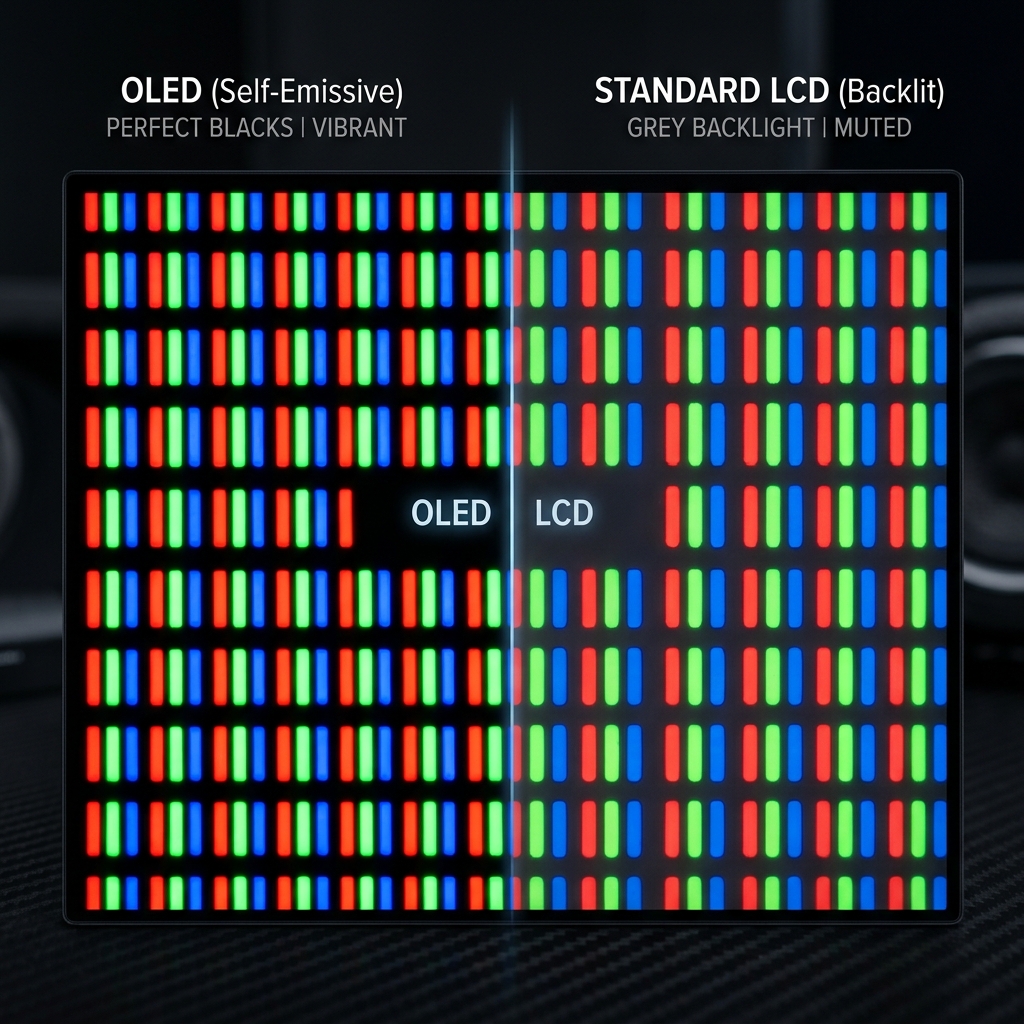
When standard repair shops use LCDs to replace OLED panels, the backlight array fundamentally changes how the logic board routes power, leading to a 15-20% decrease in overall battery life. We strictly refuse to install LCD panels on natively OLED chassis.
Our "Premium Aftermarket" tier focuses entirely on Rigid/Soft OLEDs from hyper-vetted supply chains. You save money on structural flexibility and absolute peak brightness nits, without compromising the fundamental engineering of the motherboard.
The Fixly Guarantee
Every single aftermarket part installed comes with a 90-day defect replacement guarantee. No questions asked.